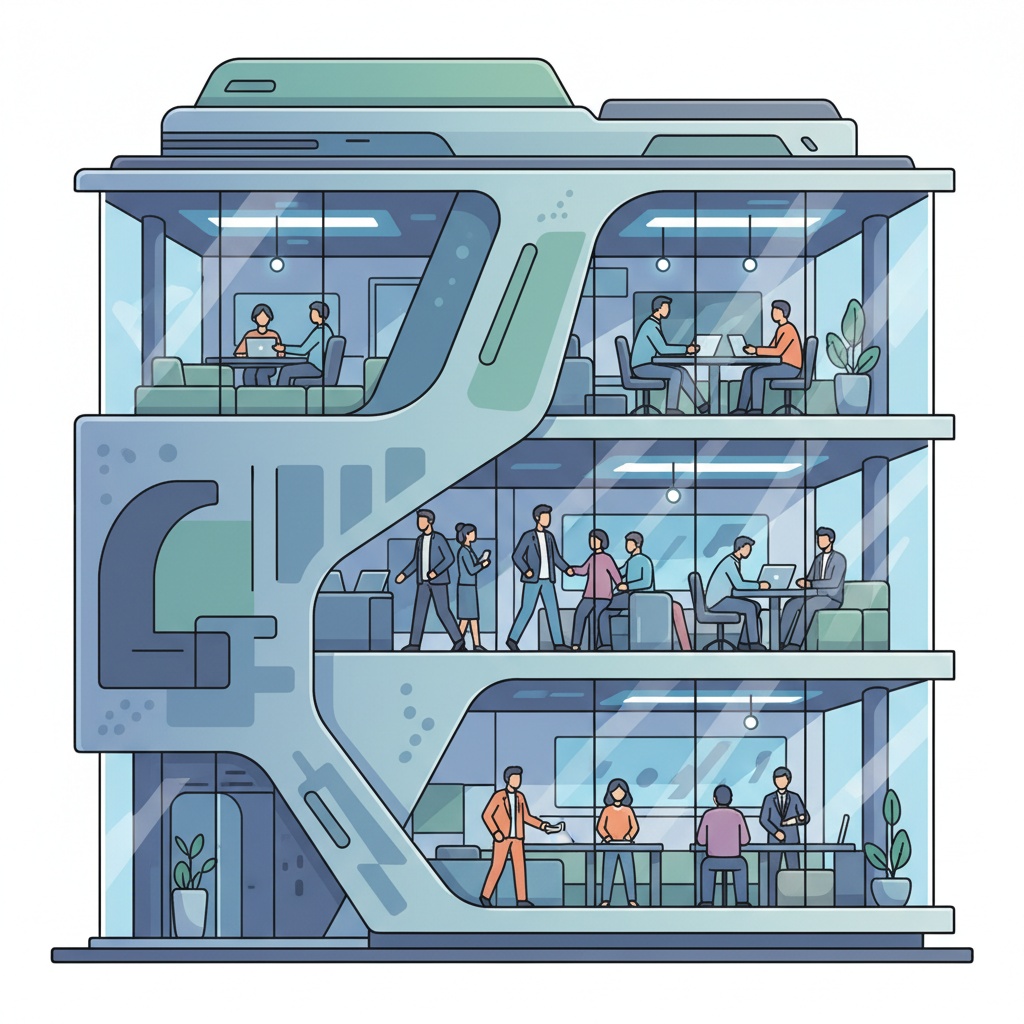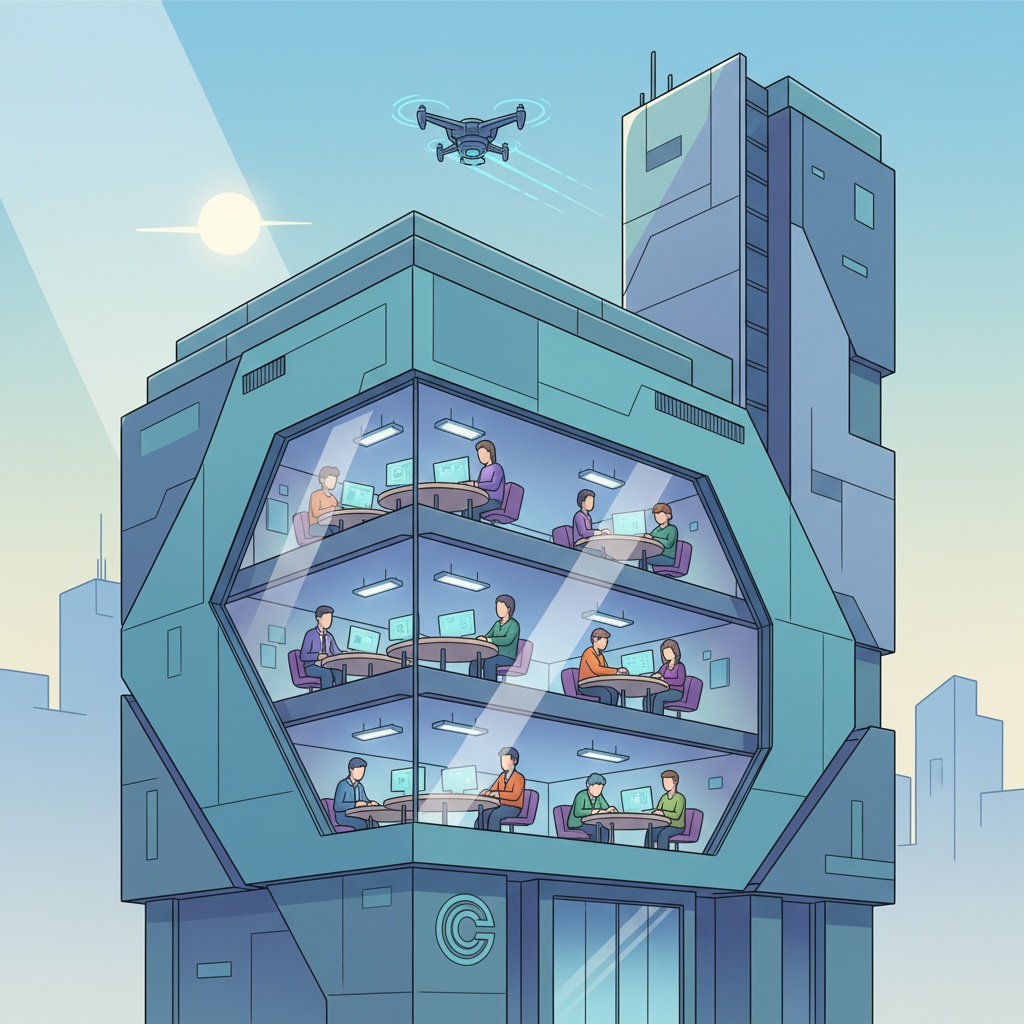
Smart building technology for commercial and industrial properties
Smart Building Technology for Commercial and Industrial Properties: Your Strategic Implementation Guide
Reading time: 12 minutes
Ever walked into a building that just knew what you needed before you asked? That’s not science fiction—it’s smart building technology in action. And if you’re managing commercial or industrial properties in 2025, ignoring this revolution isn’t just short-sighted; it’s potentially leaving millions on the table.
Let’s cut through the hype and get practical. Smart building technology isn’t about flashy gadgets or impressing visitors (though that’s a nice bonus). It’s about creating environments that reduce operational costs by 20-30%, improve tenant satisfaction dramatically, and position your property as a future-ready asset in an increasingly competitive market.
Table of Contents
- What Actually Makes a Building “Smart”?
- Core Systems Transforming Modern Properties
- The Real ROI: Numbers That Matter
- Your Implementation Strategy: From Planning to Launch
- Overcoming Common Implementation Challenges
- Future-Ready: What’s Coming Next
- Frequently Asked Questions
What Actually Makes a Building “Smart”?
Here’s the straight talk: A smart building isn’t just a traditional structure with some IoT sensors slapped on the walls. It’s an integrated ecosystem where systems communicate, learn, and optimize themselves automatically.
The Three Pillars of Smart Building Intelligence:
- Interconnected Systems: HVAC, lighting, security, and energy management working as one cohesive unit
- Data-Driven Decision Making: Real-time analytics that inform both immediate adjustments and long-term strategy
- Adaptive Intelligence: Machine learning algorithms that improve building performance over time
Take The Edge in Amsterdam—often called the world’s smartest building. This Deloitte headquarters uses 28,000 sensors to monitor everything from occupancy patterns to coffee preferences. The result? A 70% reduction in energy consumption compared to typical office buildings and a BREEAM sustainability score of 98.4%—the highest ever awarded.
Industrial vs. Commercial: Different Needs, Different Solutions
Commercial properties like offices and retail spaces prioritize tenant comfort, operational efficiency, and creating attractive environments. Think smart lighting that adjusts to natural daylight levels, or HVAC systems that respond to real-time occupancy.
Industrial facilities? They’re playing a different game entirely. Here, smart technology focuses on:
- Equipment monitoring and predictive maintenance
- Energy optimization for heavy machinery
- Safety systems integration
- Supply chain and logistics coordination
Amazon’s fulfillment centers showcase this perfectly. Their buildings use thousands of sensors to monitor everything from conveyor belt performance to air quality, reducing downtime by 37% and cutting energy costs by $1 million annually per facility.
The Technology Stack Explained
Understanding the layers of smart building technology helps demystify implementation:
Physical Layer: IoT sensors, smart meters, connected devices
Network Layer: Building automation systems (BAS), wireless connectivity
Platform Layer: Data management, analytics engines, integration middleware
Application Layer: User interfaces, control dashboards, mobile apps
Core Systems Transforming Modern Properties
1. Intelligent HVAC Management
Well, here’s where the money really moves. HVAC systems typically consume 40-60% of a commercial building’s total energy. Smart HVAC doesn’t just regulate temperature—it predicts needs based on weather forecasts, occupancy patterns, and even event schedules.
Real-World Application: A Chicago office complex implemented zone-based smart HVAC control, resulting in:
- 32% reduction in heating costs during winter months
- Improved tenant satisfaction scores from 6.8 to 8.9 out of 10
- ROI achieved in 18 months versus the projected 36 months
2. Advanced Lighting Systems
Smart lighting goes beyond motion sensors. Modern systems use daylight harvesting, circadian rhythm optimization, and occupancy analytics to create ideal environments while slashing energy costs.
Energy Savings by Smart Lighting Feature
Based on Department of Energy commercial building studies
3. Security and Access Control Integration
Modern smart security isn’t just about keeping bad actors out—it’s about creating seamless, secure experiences for authorized users while gathering valuable utilization data.
Integrated systems include facial recognition, mobile credentials, visitor management, and real-time threat detection. These systems can identify unusual patterns—like someone accessing areas at odd hours—and alert security teams immediately.
4. Predictive Maintenance Systems
Quick scenario: Your industrial facility’s main compressor fails on a Friday afternoon. Production halts. Emergency repair costs triple. Contracts are jeopardized. Sound familiar?
Predictive maintenance systems monitor equipment health continuously, using vibration sensors, thermal imaging, and performance metrics to predict failures before they happen. Companies implementing these systems report:
- 25-30% reduction in maintenance costs
- 70-75% decrease in breakdowns
- 35-45% reduction in downtime
The Real ROI: Numbers That Matter
Let’s talk money. Because ultimately, that’s what keeps CFOs interested and budgets approved.
| Investment Area | Typical Cost (per sq ft) | Annual Savings | Payback Period | Additional Benefits |
|---|---|---|---|---|
| Smart HVAC | $2.50-$4.00 | 20-30% energy reduction | 2-4 years | Improved comfort, equipment longevity |
| LED + Controls | $1.50-$3.00 | 40-60% lighting costs | 1.5-3 years | Productivity boost, maintenance reduction |
| Energy Management | $0.75-$1.50 | 10-20% total energy | 2-3 years | Carbon reduction, compliance benefits |
| Predictive Maintenance | $1.00-$2.50 | 25-30% maintenance costs | 1-2 years | Reduced downtime, extended asset life |
| Integrated Platform | $3.00-$6.00 | 15-25% operational costs | 3-5 years | Property value increase, tenant retention |
The Hidden Value Multipliers
Beyond direct cost savings, smart building technology delivers value that doesn’t always show up on spreadsheets immediately:
Property Value Appreciation: Buildings with smart technology command 7-15% higher sale prices and rent premiums. A 2023 study by CBRE found that certified smart buildings lease 12% faster than comparable traditional properties.
Tenant Retention: Modern tenants—especially tech-forward companies—actively seek smart buildings. Retention rates in smart buildings run 15-20% higher than traditional properties.
Sustainability Credentials: ESG (Environmental, Social, and Governance) considerations increasingly influence investment decisions. Smart buildings meeting LEED or WELL standards attract premium institutional investors.
Your Implementation Strategy: From Planning to Launch
Phase 1: Assessment and Goal Setting (Weeks 1-4)
Ready to transform complexity into competitive advantage? Start with brutal honesty about your current state.
Critical Assessment Questions:
- What are your top three operational pain points?
- Where is energy waste most significant?
- What do tenants/users complain about most?
- What’s your current technology infrastructure?
- What regulatory compliance requirements exist?
Pro Tip: Bring in an independent building performance auditor before talking to vendors. Their unbiased assessment (typically $5,000-$15,000) can save you hundreds of thousands in misaligned purchases.
Phase 2: Technology Selection and Partner Vetting (Weeks 5-10)
Not all smart building platforms are created equal. The market is crowded with solutions ranging from comprehensive enterprise platforms to specialized point solutions.
Evaluation Criteria That Actually Matter:
- Interoperability: Does it play nice with your existing systems? Open protocols like BACnet, Modbus, and MQTT are essential.
- Scalability: Can you start small and expand without ripping everything out?
- Support and Training: What happens when things go wrong at 2 AM?
- Data Ownership: Who owns the data your building generates? This matters more than you think.
- Cybersecurity: How is the system protected from attacks?
Phase 3: Phased Rollout (Months 3-12)
Here’s where most implementations stumble: trying to do everything at once. Learn from successful deployments and adopt a phased approach:
Phase 3A – Quick Wins (Months 3-4):
Implement high-visibility, low-complexity systems like smart lighting and basic energy monitoring. These generate immediate savings and build organizational confidence.
Phase 3B – Core Systems (Months 5-8):
Roll out HVAC optimization, advanced security systems, and predictive maintenance capabilities. These require more integration but deliver substantial value.
Phase 3C – Advanced Integration (Months 9-12):
Complete the ecosystem with full platform integration, advanced analytics, and AI-driven optimization.
Overcoming Common Implementation Challenges
Challenge 1: Legacy System Integration
Your building has 20-year-old HVAC controls that work perfectly fine. How do you integrate them without a complete replacement?
The Solution: Gateway devices and middleware platforms act as translators between old and new systems. Companies like Optigo Networks and Contemporary Controls offer solutions that can make legacy systems IoT-ready for $2,000-$5,000 per system—far less than replacement costs.
Case Study: A Detroit manufacturing facility faced this exact challenge with $2 million worth of functioning but dated equipment. By implementing gateway technology, they achieved 80% of smart building benefits for 15% of the cost of full replacement.
Challenge 2: Cybersecurity Concerns
More connected devices mean more vulnerability points. This isn’t theoretical—smart building systems have been compromised, leading to data breaches and operational disruptions.
Essential Security Measures:
- Network segmentation separating building systems from corporate IT
- End-to-end encryption for all data transmission
- Regular security audits and penetration testing
- Multi-factor authentication for system access
- Automated patch management systems
Challenge 3: Staff Training and Adoption
The most sophisticated system is worthless if your facility team doesn’t know how to use it—or worse, actively resists it.
Adoption Strategy That Works:
- Involve facility staff in the selection process early
- Provide hands-on training before go-live (not after)
- Create clear escalation procedures and support channels
- Celebrate and share early wins attributable to the new systems
- Establish champions within the facilities team who become internal experts
Future-Ready: What’s Coming Next
Smart building technology isn’t static. Understanding emerging trends helps you make future-proof investment decisions today.
AI and Machine Learning Integration
Current systems optimize based on programmed rules. Next-generation systems learn and adapt autonomously. They’ll predict maintenance needs with 95%+ accuracy, optimize energy use in ways humans never could, and even adjust environments based on individual occupant preferences learned over time.
According to Gartner, by 2025, 75% of commercial buildings over 500,000 square feet will use AI-driven building management systems—up from just 10% in 2023.
Digital Twins
Imagine having a virtual replica of your building where you can test changes, predict outcomes, and optimize performance without any real-world risk. That’s the promise of digital twins—virtual models that mirror physical buildings in real-time.
These aren’t just visualization tools. They’re simulation environments where you can test “what if” scenarios: What happens if we change the air handling unit schedule? How does adding a new tenant on floor 3 affect overall energy consumption?
5G and Edge Computing
5G networks enable real-time communication between thousands of devices with virtually zero latency. Combined with edge computing—processing data locally rather than in distant cloud servers—this creates instantaneous building responses.
Think: Security systems that can analyze suspicious behavior and respond in milliseconds, not seconds. Or HVAC adjustments that happen before occupants even notice discomfort.
Frequently Asked Questions
What’s the minimum building size where smart technology makes financial sense?
While there’s no hard rule, buildings over 50,000 square feet typically see compelling ROI from comprehensive smart building systems. Smaller properties (10,000-50,000 sq ft) can still benefit significantly from targeted implementations like smart HVAC and lighting. The key is focusing on systems where your current inefficiencies are greatest. Even a 5,000 sq ft industrial facility with high energy costs and equipment maintenance needs might see payback in under two years from predictive maintenance alone.
How do I convince stakeholders to approve the budget for smart building upgrades?
Focus on three compelling narratives: quantifiable ROI with specific payback periods, risk mitigation (preventing costly failures and ensuring compliance), and competitive positioning (tenant attraction/retention and property value). Create a tiered proposal showing quick wins that can be achieved with modest investment, then use those savings to fund deeper implementation. Include case studies from comparable properties and consider offering a pilot program in one section of your property to demonstrate value before full deployment. Most importantly, frame it as an operational necessity rather than an optional upgrade—in 2025’s market, smart buildings are becoming table stakes.
What happens if my smart building technology vendor goes out of business?
This is a legitimate concern in a rapidly evolving market. Protect yourself by prioritizing open-protocol systems (BACnet, Modbus, MQTT) that aren’t proprietary to one vendor. Ensure your contract includes source code escrow agreements and data portability guarantees. Ask potential vendors about their financial stability and customer base—established providers with diverse customer rosters are safer bets. Consider platforms backed by major technology companies or those with thriving integrator ecosystems. Finally, maintain detailed documentation of your system configuration and ensure your team understands the underlying architecture, not just the vendor’s interface.
Your 90-Day Smart Building Action Plan
The gap between knowing and doing is where most smart building initiatives stall. Here’s your practical roadmap to move from consideration to implementation:
Days 1-30: Foundation Building
- Conduct energy and operational audits to identify biggest opportunities
- Form a cross-functional team including facilities, IT, finance, and operations
- Document current pain points with quantified impacts
- Research 3-5 potential technology partners and schedule preliminary discussions
- Establish budget parameters and approval processes
Days 31-60: Strategic Planning
- Complete vendor demonstrations and reference checks
- Develop detailed ROI models with conservative assumptions
- Create implementation timeline with phased rollout
- Identify pilot area for initial deployment
- Secure stakeholder buy-in and budget approval
Days 61-90: Launch Phase
- Begin pilot installation in designated area
- Conduct staff training sessions
- Establish performance metrics and monitoring protocols
- Create feedback loops for continuous improvement
- Plan communication strategy for broader rollout
The commercial real estate landscape is fundamentally shifting. Properties that embrace smart technology aren’t just cutting costs—they’re creating environments that attract premium tenants, command higher valuations, and operate with unprecedented efficiency. Meanwhile, traditional buildings increasingly struggle to compete.
The question isn’t whether to implement smart building technology—it’s how quickly you can do so strategically. Every month of delay represents missed savings, increased risk of system failures, and lost competitive advantage in an increasingly technology-driven market.
What will your building look like in three years? Will it be leading the market or struggling to catch up? The investments you make today determine that outcome. Start with one system, prove the value, and build momentum from there. Your tenants, your bottom line, and your property’s long-term value will thank you.